From Ship to Shelf: How Apothecaries Supplied Medicine in Colonial St. Augustine
September 11, 2025
Preparing for Winter: How Colonial St. Augustine Battled Cold, Illness, and Recovery
November 22, 2025
Modern medicine is shaped by lab testing, microscopes, and a clear understanding of infection and anatomy. In colonial St. Augustine, medical care followed a very different logic—one rooted in observation, tradition, and a worldview that tried to explain illness through balance, environment, and belief.
That world comes into sharper focus when you step inside the Spanish Military Hospital Museum. Here, visitors can explore how apothecaries and physicians approached suffering long before germ theory, antibiotics, or modern surgical standards—and why certain treatments, though surprising today, once felt not only reasonable but essential.
Understanding the Medical Mindset of the Colonial Era
To understand treatments like bloodletting or the use of leeches, it helps to understand the framework behind them. For centuries, European medicine was shaped by the concept of the four humors: blood, phlegm, black bile, and yellow bile. Health was believed to depend on keeping these humors in balance. Illness, by contrast, was often seen as an imbalance caused by heat, cold, moisture, diet, stress, or environmental conditions.
This system influenced everything: what a patient ate, how they were treated, and what remedies an apothecary prepared. It also shaped how medical practitioners interpreted the climate of Florida, where heat and humidity were viewed as powerful forces acting on the human body.
For additional background on humoral theory and its influence on early medicine, reference materials like Encyclopaedia Britannica’s overview of humorism provide a helpful starting point.
Why Bloodletting Was Considered Helpful
Bloodletting was used for many conditions because it was believed to reduce “excess” blood and restore balance—especially in cases of fever, inflammation, or pain. Practitioners might open a vein or use small incisions to draw blood. While the practice can sound alarming to modern readers, it was widely accepted for generations and was considered a legitimate medical intervention within the knowledge of the time.
In a colonial town, bloodletting was also appealing for practical reasons: it required minimal supplies and could be performed quickly. In an era where supply lines were uncertain and serious illness could spread rapidly, simple interventions were often favored.
Leeches and the Logic of “Drawing Out” Illness
Leeches served a similar purpose, but with a different method. They were used to draw blood in a controlled way and were sometimes believed to reduce swelling or congestion. In some cases, practitioners thought leeches could “pull” illness from the body—an idea consistent with the broader belief that sickness could be redirected, released, or drained.
Historically, leeches were used widely across Europe and in the Americas. For a broader look at the history of bloodletting and related practices, the Wellcome Collection’s history of bloodletting offers additional context.
Apothecaries, Remedies, and the Reality of Colonial Care
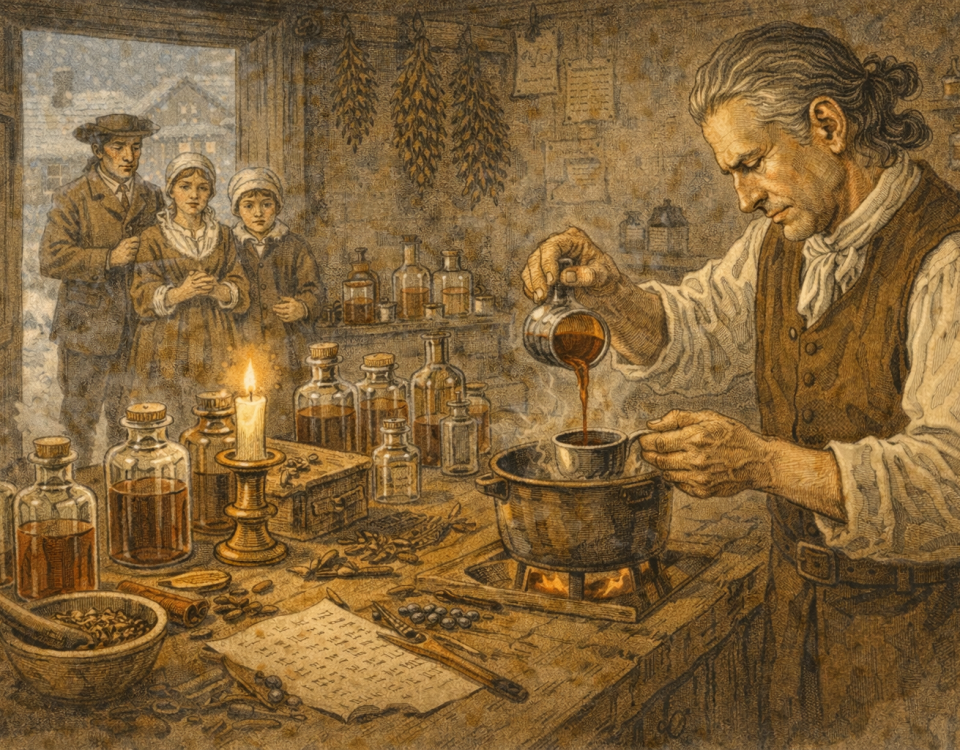
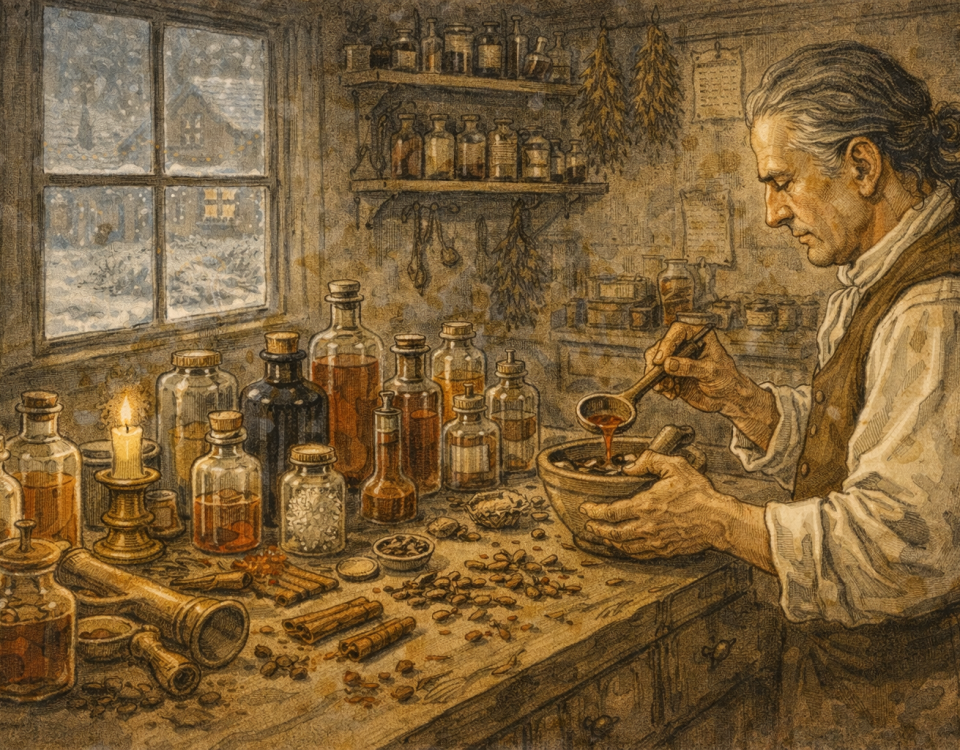
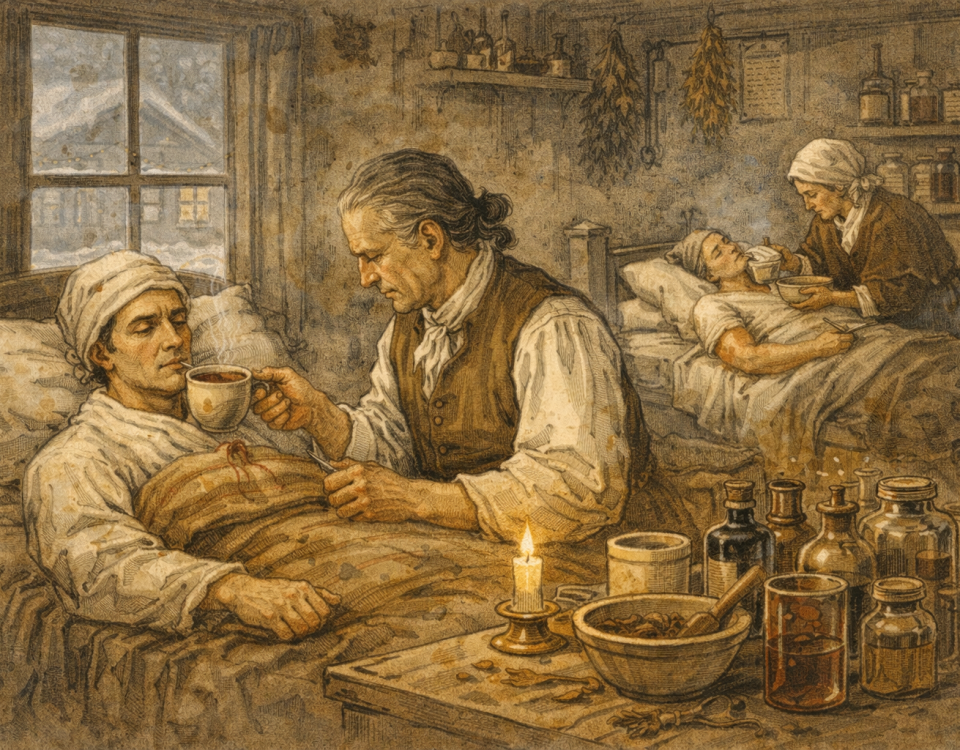
Not every treatment involved bloodletting. Apothecaries prepared powders, tinctures, poultices, and syrups intended to cool fevers, calm digestion, reduce pain, or encourage rest. Treatments often combined physical intervention with medicinal mixtures—and just as importantly, with advice about routine, diet, and environment.
Care was shaped by what practitioners believed, what ingredients were available, and what experience suggested might help. Colonial medicine was not “primitive” in intent; it was practical within a framework that had not yet been reshaped by modern scientific discovery.
Why St. Augustine’s Setting Matters
St. Augustine was a frontier city and a fortified port, influenced by soldiers, travelers, and coastal conditions. That setting mattered. Illness spread differently in humid climates. Wounds behaved differently in heat. Summer brought fevers and exhaustion. Even the pace of life—the strain of work, sanitation challenges, and periods of scarcity—affected health outcomes.
For those exploring St. Augustine, understanding the city’s medical history adds a human dimension to the historic district. It’s a reminder that the story of the city is not only about forts and flags, but also about how ordinary people endured disease, injury, and recovery.
Seeing Belief and Practice Come Together Inside the Hospital
Colonial medicine is easiest to understand when it is seen in context—inside the spaces where care happened. The Spanish Military Hospital helps visitors visualize how practitioners approached treatment, how patients were supported, and how daily medical routines unfolded in a working colonial environment.
If you’re planning time in the historic district, you can explore what the experience includes on the Tours page and find helpful details on Plan Your Visit. It’s a meaningful addition for anyone building a history-focused day in St. Augustine.
Old Methods, Real People, Lasting Lessons
Bloodletting and leeches can feel shocking today—but they were part of a sincere effort to heal within the limits of the era’s understanding. By exploring these practices thoughtfully, we get closer to the lived experience of colonial St. Augustine and the medical choices made inside its hospital walls.
Explore more stories like this in The Apothecary’s Journal.