Spices, Spirits, and Survival: Winter Remedies in Colonial St. Augustine
December 22, 2025
A new year often brings renewed focus on health—more rest, better habits, and a fresh start. In colonial St. Augustine, people may not have used the modern language of “wellness,” but the idea of preventive health was very real. Long before antibiotics or advanced diagnostics, staying well was often the best defense against illness.
For apothecaries and caregivers, prevention wasn’t a trend—it was a strategy for survival. The routines they encouraged, the remedies they prepared, and the advice they gave reflected a world where the line between daily life and medical care was thin. Visitors can explore this history more closely at the Spanish Military Hospital Museum, where the setting helps bring early healthcare practices into focus.
Prevention in a World Without Modern Medicine
Colonial medicine was shaped by limited tools and incomplete knowledge, but it was not without structure. Many practitioners believed health depended on balance—between heat and cold, activity and rest, food and digestion, and the body’s internal humors. When balance was disrupted, illness followed.
This worldview encouraged preventive habits. A person’s routine, diet, sleep, and surroundings were all seen as factors that could strengthen—or weaken—the body over time.
Daily Habits That Supported Health
Preventive health in colonial St. Augustine often centered on practical routines. While the specifics varied by wealth and circumstance, many health recommendations focused on:
- Moderation in diet to avoid digestive distress and weakness
- Rest and recovery when the body showed signs of fatigue
- Cleanliness and basic sanitation in living and treatment spaces
- Fresh air and ventilation when possible, especially for the sick
Even without germ theory, caregivers recognized patterns: crowded spaces and poor conditions often led to worse outcomes. Small improvements in routine and environment could make a meaningful difference.
The Apothecary’s “Wellness” Tools: Tonics, Bitters, and Strengthening Remedies
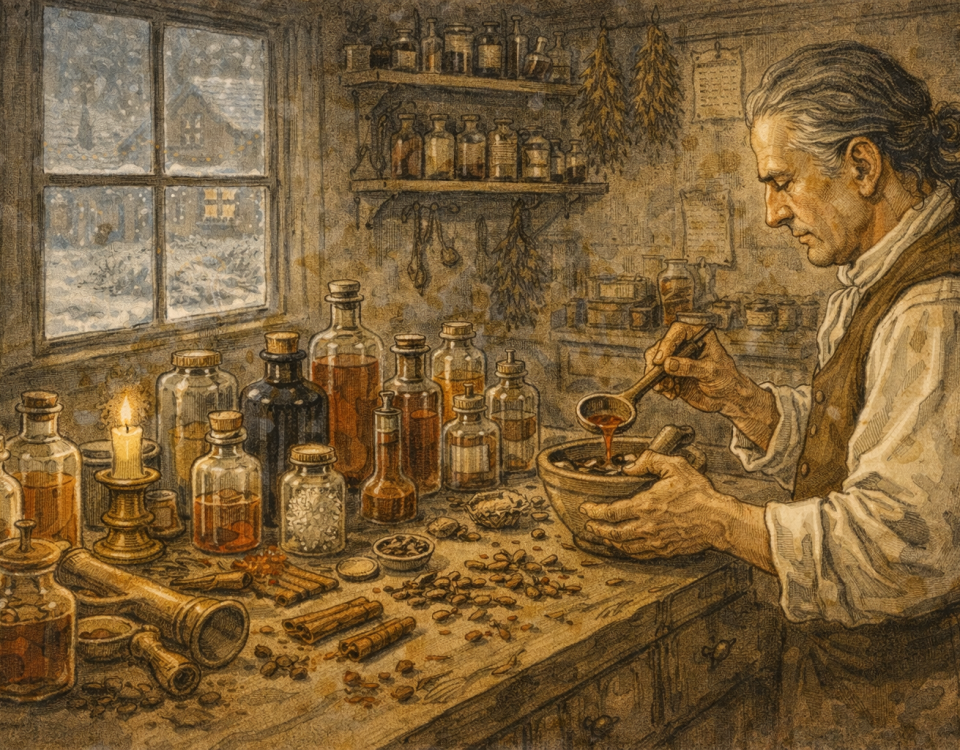
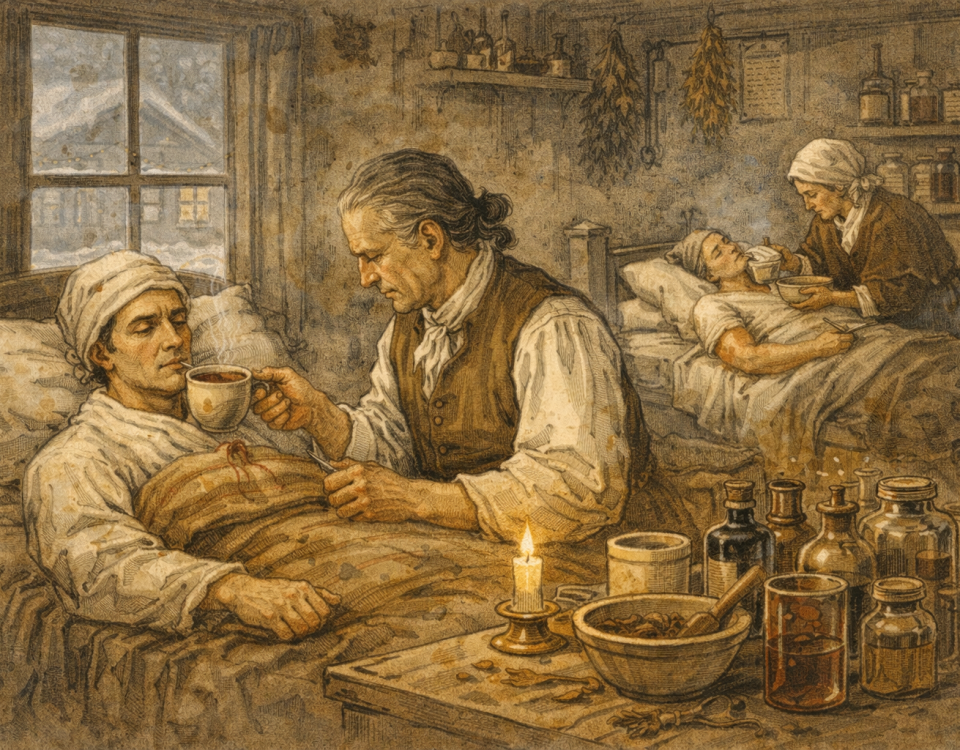
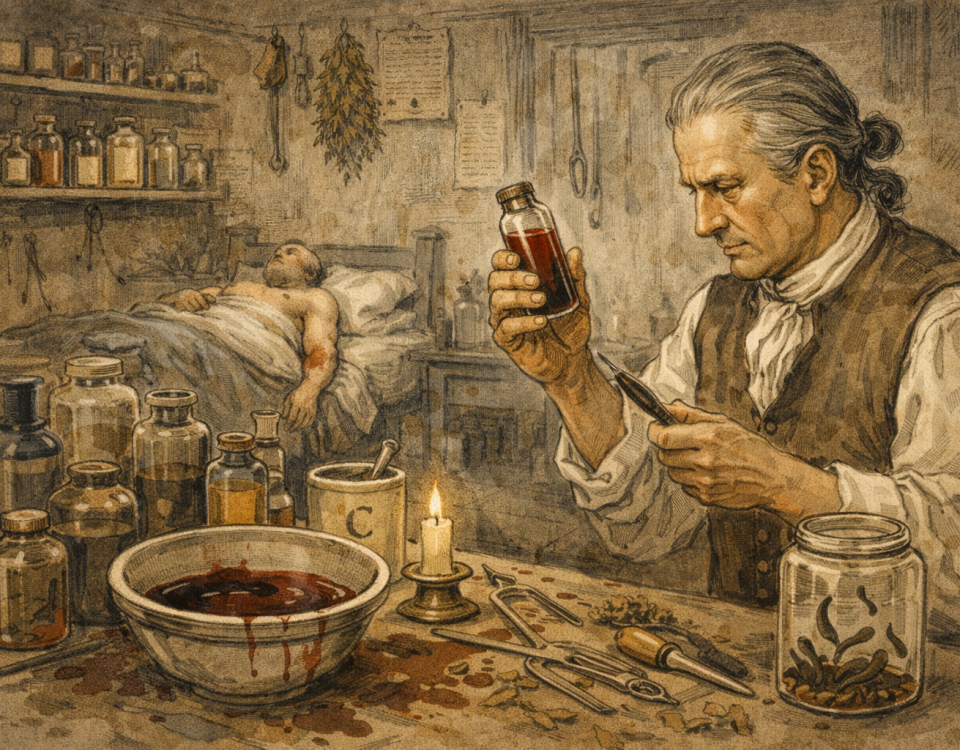
Apothecaries didn’t only treat active illness—they often supported ongoing recovery and general strength. Preparations might be used to stimulate appetite, calm digestion, ease headaches, or help a patient regain energy after fever or injury.
Many remedies were designed to support the body gradually rather than produce immediate results. Tonics, bitters, and tinctures could be recommended for weakness, lingering fatigue, or seasonal transitions—especially when cold weather or damp conditions aggravated aches and respiratory complaints.
To modern readers, some ingredients may sound familiar, while others feel surprising. But in context, these mixtures were attempts to maintain stability in a world where a minor issue could become serious quickly.
St. Augustine’s Environment Made Prevention Essential
St. Augustine’s climate and coastal setting influenced everyday health. Heat, humidity, insects, and periods of limited supply all affected well-being. Seasonal change could strain the body, and outbreaks of illness could spread rapidly through a small settlement.
That is why preventive thinking mattered: staying healthy wasn’t only personal—it helped protect families, workplaces, and the broader community.
For those planning time in St. Augustine, this perspective adds a human layer to the city’s history. The historic district reflects not only military and political life, but the daily realities of endurance, routine, and care.
Seeing Preventive Care in Context Inside the Hospital
It’s one thing to read about historical routines. It’s another to see the spaces where caregivers worked and where practical decisions shaped medical outcomes. The preserved setting of the Spanish Military Hospital helps visitors imagine how remedies were prepared, how patients were supported, and how health was maintained as consistently as possible in a colonial environment.
If you’re planning time in the historic district, you can learn more about the experience on the Tours page and find helpful details on Plan Your Visit. It’s a meaningful stop for anyone exploring how St. Augustine’s history was lived day to day.
Looking Forward by Looking Back
Preventive health in colonial St. Augustine wasn’t about perfection—it was about resilience. Daily habits, careful routines, and apothecary-prepared remedies helped people stay steady through uncertainty. As the year begins, this history offers a reminder that the pursuit of health has always been part of human life—shaped by the knowledge, environment, and resources of its time.
Explore more stories like this in The Apothecary’s Journal.