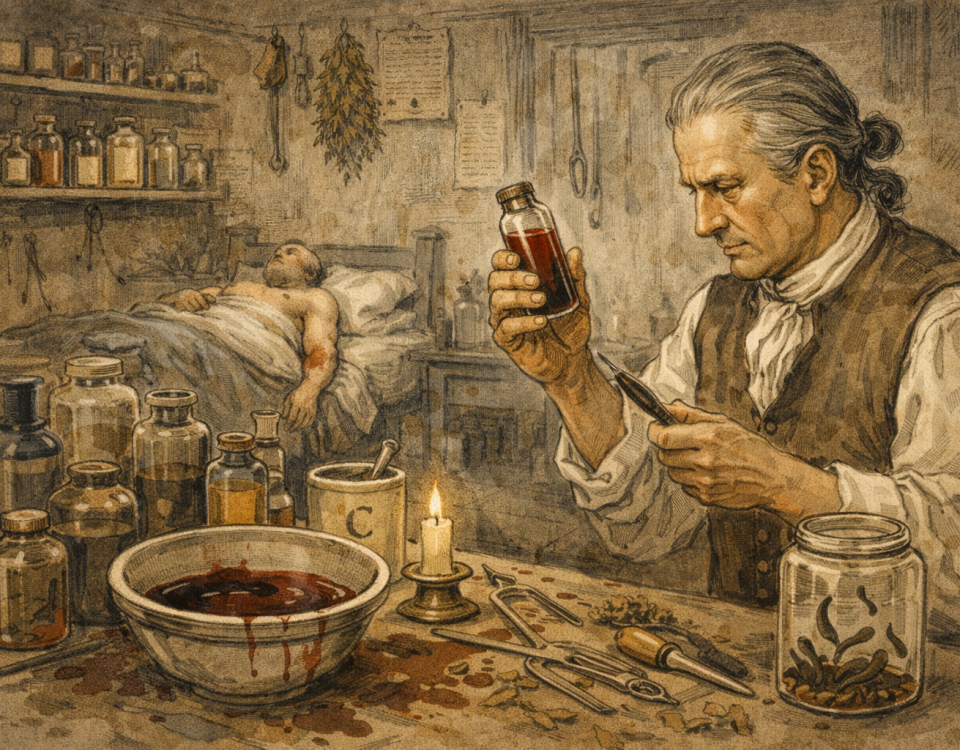
Bloodletting, Leeches, and Belief: Medicine Before Modern Science in Colonial St. Augustine
October 7, 2025
Spices, Spirits, and Survival: Winter Remedies in Colonial St. Augustine
December 22, 2025
In modern Florida, winter is often mild and brief. In colonial St. Augustine, however, cooler months brought their own challenges—especially for the sick, the injured, and those recovering from long-term illness. While winter lacked the intense heat and mosquito-driven fevers of summer, it introduced conditions that tested both the body and the fragile medical systems of the colonial world.
For apothecaries and caregivers working in Spanish St. Augustine, winter was a season of preparation, conservation, and extended care. These realities are still reflected today inside the Spanish Military Hospital Museum, where preserved spaces reveal how medical routines shifted as temperatures dropped.
Seasonal Illness in a Coastal Settlement
Cooler weather brought an increase in respiratory complaints, joint pain, and lingering weakness from illnesses that had begun earlier in the year. Damp conditions could aggravate wounds and contribute to infections that healed slowly. Even without freezing temperatures, cold nights and drafty buildings made recovery difficult for vulnerable patients.
Colonial physicians believed that cold and moisture affected the body’s balance just as strongly as heat. Winter illness was often associated with excess phlegm or weakened circulation—ideas rooted in humoral theory that shaped treatment decisions throughout the season.
Adjusting Medical Care for Winter Conditions
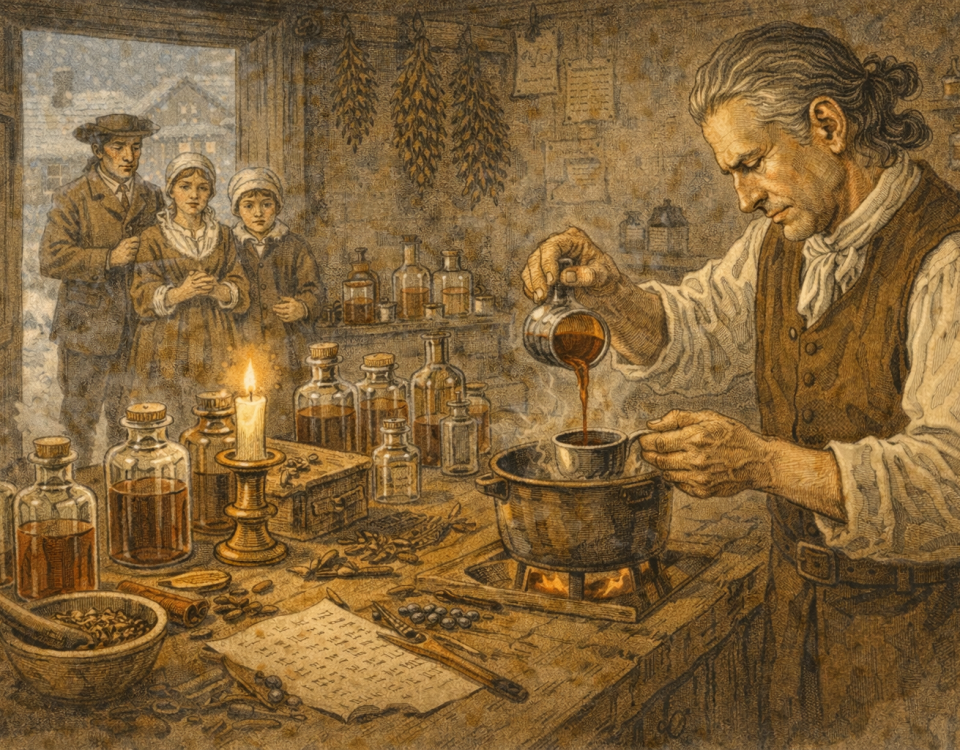
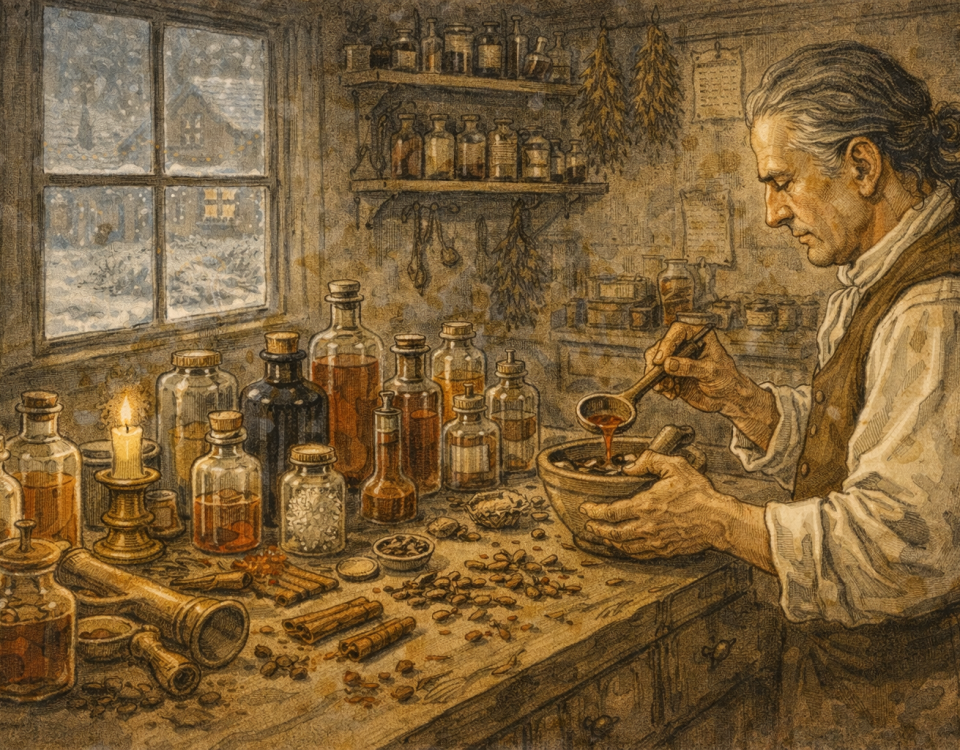
As winter approached, apothecaries adjusted both remedies and routines. Treatments aimed to warm the body, support digestion, and strengthen patients who had been worn down by months of illness or labor. Poultices, syrups, and tonics were often prepared to soothe joints, calm coughs, and restore energy.
Because supplies were not always reliable, winter was also a time to carefully manage inventory. Remedies had to last until the next shipment arrived, and ingredients were preserved as effectively as possible to avoid waste.
Long-Term Care and Recovery Inside the Hospital
Unlike emergency treatment during outbreaks or injuries, winter often meant prolonged care. Patients recovering from wounds, infections, or chronic conditions might remain under observation for extended periods. Caregivers focused on rest, warmth, nutrition, and gradual improvement rather than rapid intervention.
The physical layout of the hospital supported this approach. Separation of patients, controlled environments, and routine monitoring all played a role in winter care—details that become clearer when seen in the preserved hospital setting.
Winter Life in Colonial St. Augustine
Winter also affected daily life beyond the hospital walls. Labor slowed, travel became less predictable, and the rhythm of the city changed. For those responsible for medical care, this meant anticipating needs in advance and responding to illness with fewer external resources.
Understanding this seasonal shift adds depth for those exploring St. Augustine today. The historic district tells many stories, and winter medicine is one of the quieter—but deeply human—chapters in the city’s past.
Seeing Seasonal Care in Context Today
The Spanish Military Hospital offers a window into how caregivers adapted to winter conditions. Storage spaces, treatment rooms, and patient areas reflect a system designed for continuity of care rather than crisis alone.
If you’re planning time in the historic district during the cooler months, you can explore what the experience includes on the Tours page and find helpful details on Plan Your Visit. Winter visits often provide a quieter opportunity to engage with St. Augustine’s medical history.
A Season of Endurance and Care
Winter in colonial St. Augustine was a season of patience and endurance. Apothecaries and caregivers focused on sustaining health, supporting recovery, and preparing for the year ahead. Their work reminds us that medicine was not only about treating illness, but about sustaining life through every season.
Explore more stories like this in The Apothecary’s Journal.