
Soups & Recovery Foods in the Spanish Military Hospital
In the Spanish Military Hospital, food was more than nourishment. Diets were part of patient care, carefully measured and distributed according to a patient’s condition, strength, and recovery needs.
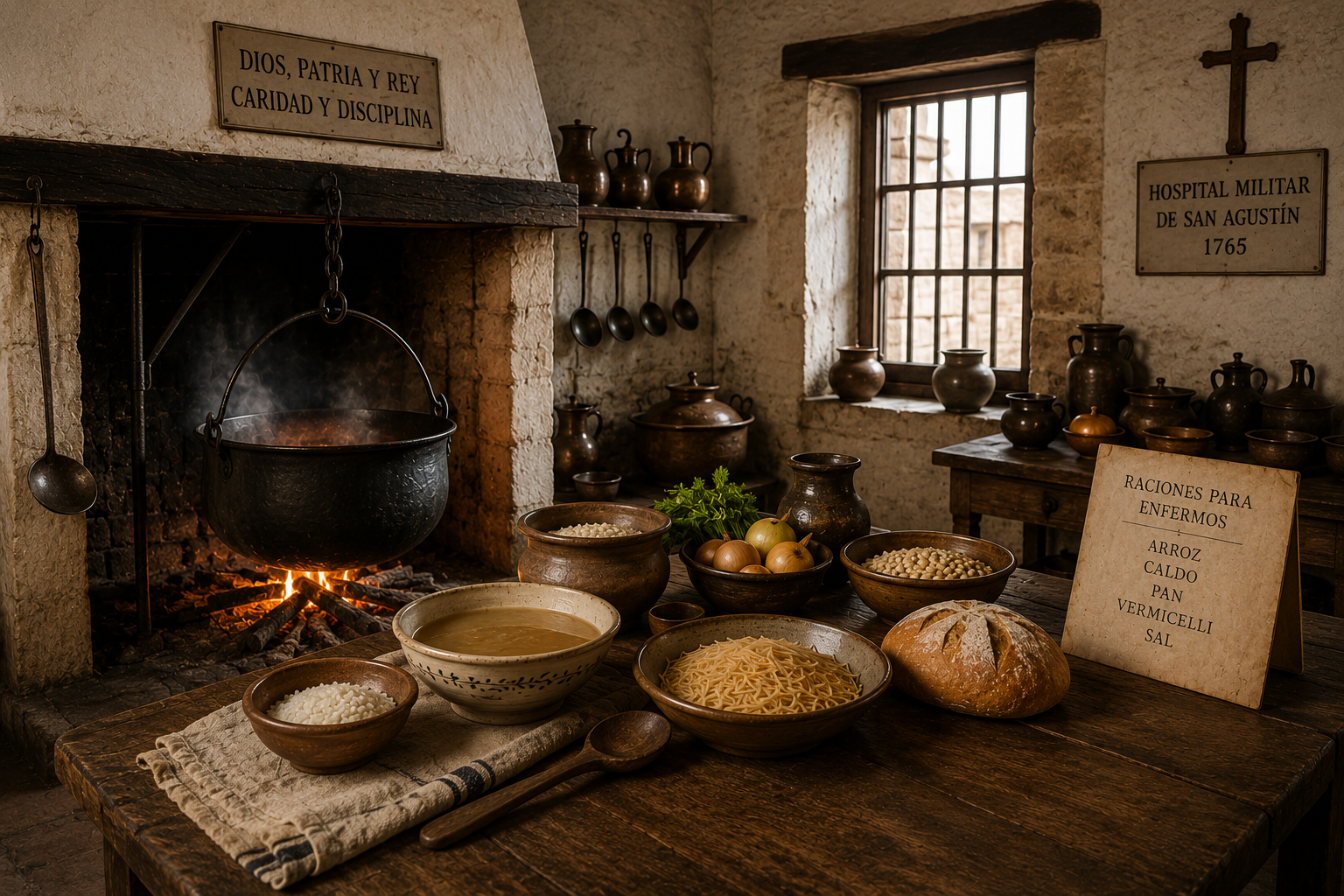
Soup-based rations were especially important because they could provide warmth, hydration, and easier digestion for patients who may not have been able to tolerate heavier meals. These records give us a glimpse into how physicians and hospital staff used simple ingredients like bread, broth, lard, eggs, rice, and vermicelli as part of daily treatment.
Why Soup Mattered
For recovering patients, soup offered a practical way to serve measured portions of food throughout the day. Many of these rations divided bread, broth, and other ingredients between breakfast, dinner, and supper, showing how structured hospital diets were during this period.
Soup Ration
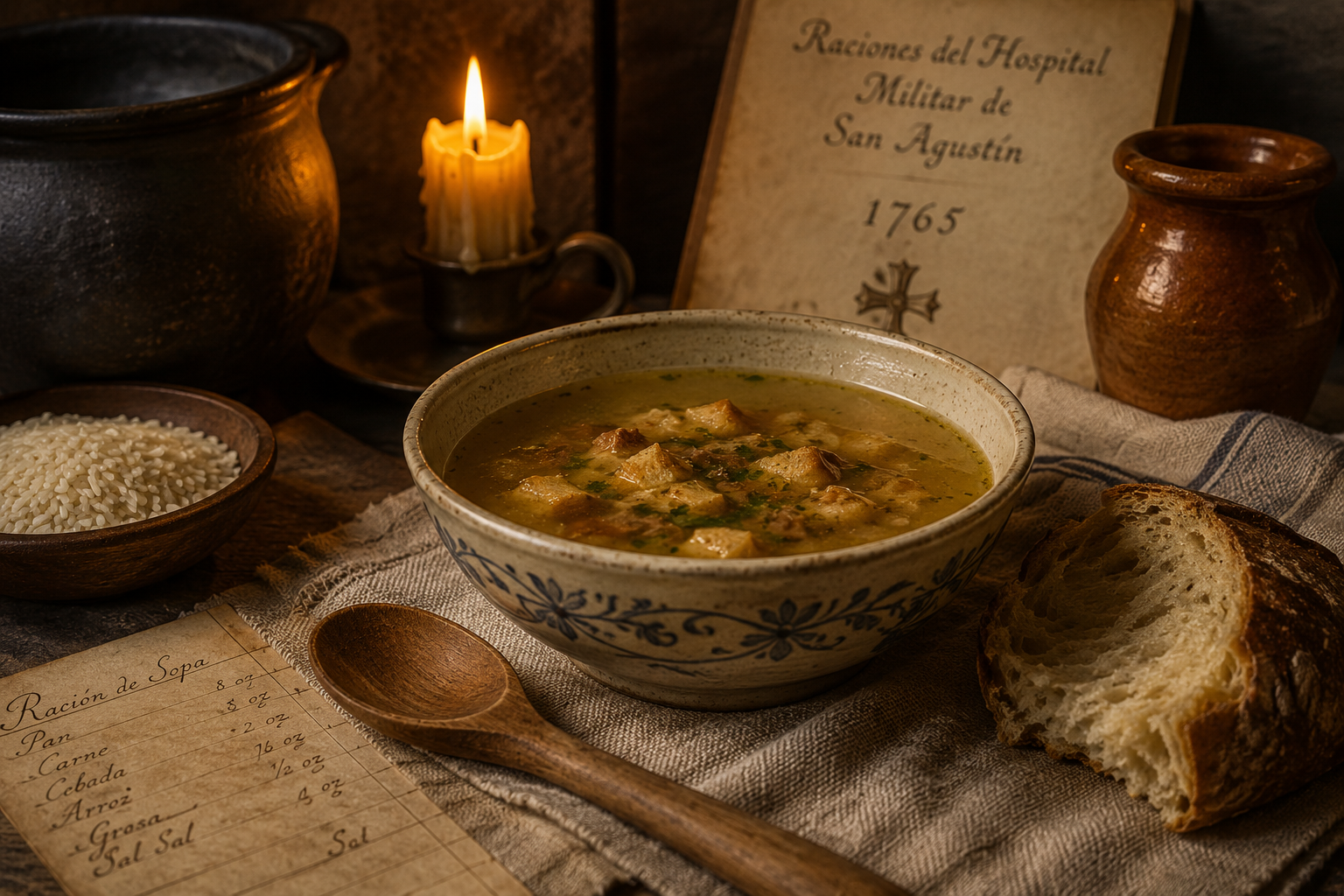
The Soup Ration was built around bread, lard, and broth from the common pot. The ration was divided across the day, with a portion used for breakfast soup and the remaining bread served with soup at dinner and supper.
This simple ration shows how hospital meals could be both measured and practical, using available staples to provide patients with a warm, sustaining food.
Half Ration of Soup
The Half Ration of Soup reduced the quantity of bread while still providing broth at multiple meals. This type of ration may have been used when a patient required lighter food or a more limited diet.
Rather than eliminating nourishment completely, the hospital adjusted portions to match the patient’s condition.
Soup Ration with Eggs
The Soup Ration with Eggs added more substance to the basic soup ration. Eggs were divided between dinner and supper, while bread and lard continued to be used for the breakfast soup.
This ration reflects how the hospital could strengthen a patient’s diet while still keeping the meal soft, simple, and structured.
Vermicelli Ration
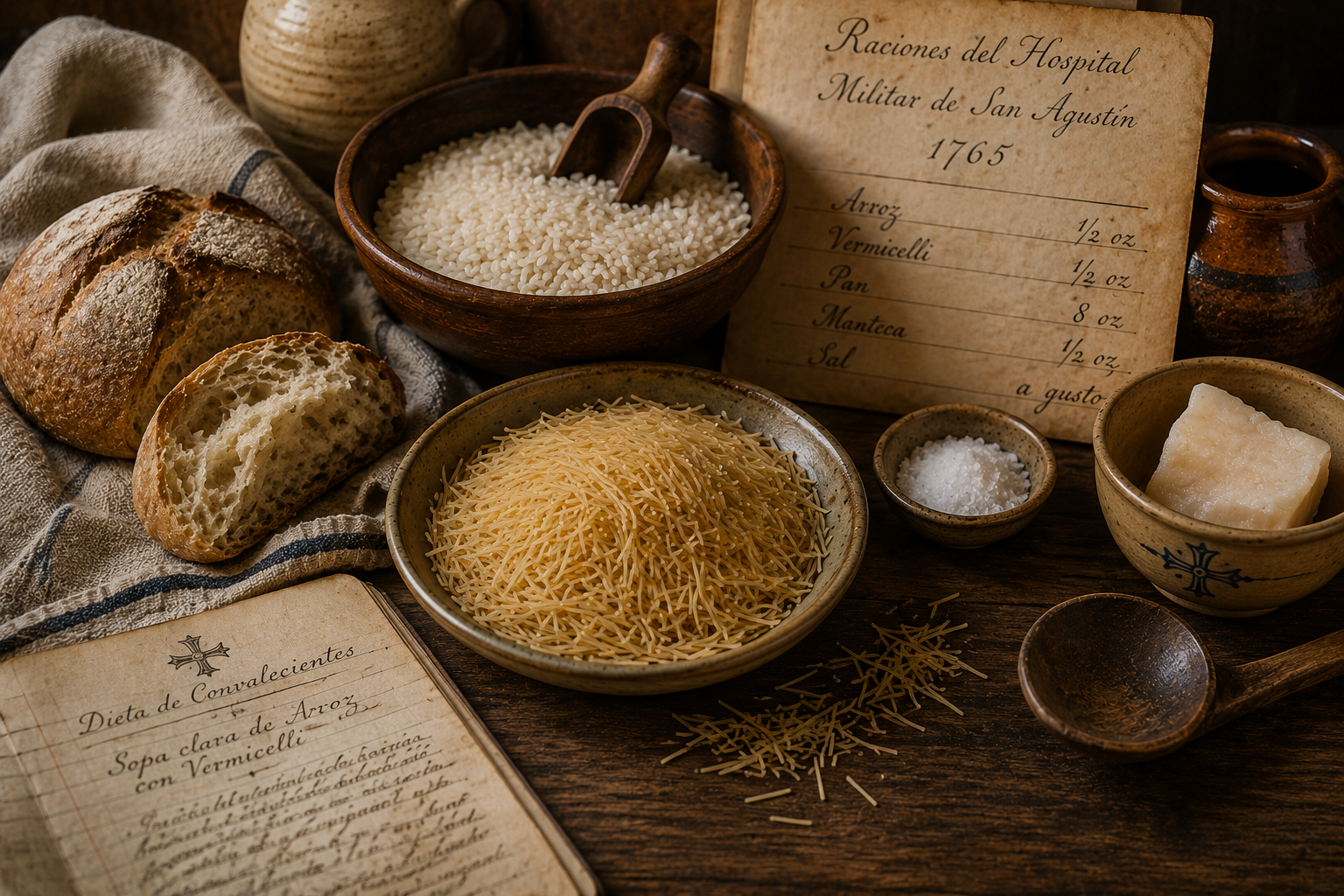
The Vermicelli Ration used vermicelli in a manner similar to the rice ration. It was prepared with broth and distributed throughout the day.
Foods like vermicelli and rice were useful because they could be cooked into softer meals, making them appropriate for patients who needed gentler foods during recovery.
Rice Ration
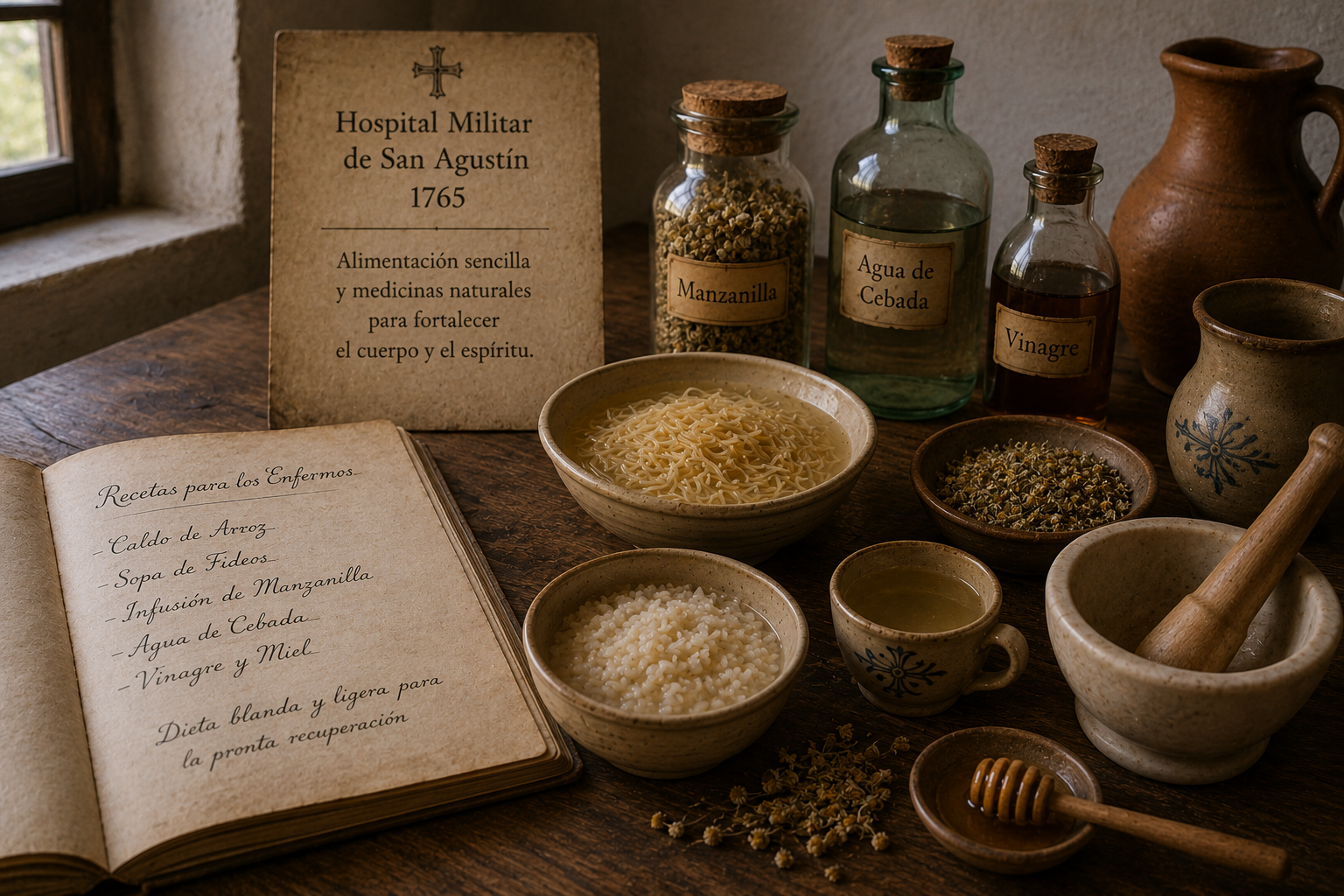
The Rice Ration combined rice, bread, and lard, with portions of the rice cooked in broth for dinner and supper. Like many of the hospital diets, the ingredients were carefully divided between meals.
This ration gives modern visitors a clearer picture of how colonial hospital food balanced simplicity, measurement, and medical purpose.
Ration of Rice Flour Gruel
Gruel was associated with patients whose condition required especially soft or carefully controlled nourishment. The record notes that rice flour gruel was used when patients were being treated with mercury, with preparation and distribution directed by the physician.
This is one of the clearest examples of diet being connected directly to medical treatment.
Historical Note
These rations may seem plain today, but they reveal an organized system of care. Food was measured, assigned, and adjusted. In the Spanish Military Hospital, diet was not separate from medicine — it was part of the treatment plan.
Experience Colonial Medicine in St. Augustine
Visit the Spanish Military Hospital Museum to learn more about 18th-century medical practices, apothecary traditions, and daily hospital life in Spanish Colonial Florida.