Preparing for Winter: How Colonial St. Augustine Battled Cold, Illness, and Recovery
November 22, 2025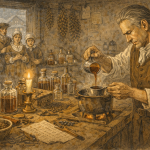
New Year, Old Remedies: Preventive Health and Daily Wellness in Colonial St. Augustine
January 22, 2026
In colonial St. Augustine, winter medicine was shaped by two realities: people still got sick, and supplies were never guaranteed. Apothecaries had to treat coughs, aches, lingering fatigue, and slow recovery in a coastal town where shipments could be delayed and preservation was a daily concern.
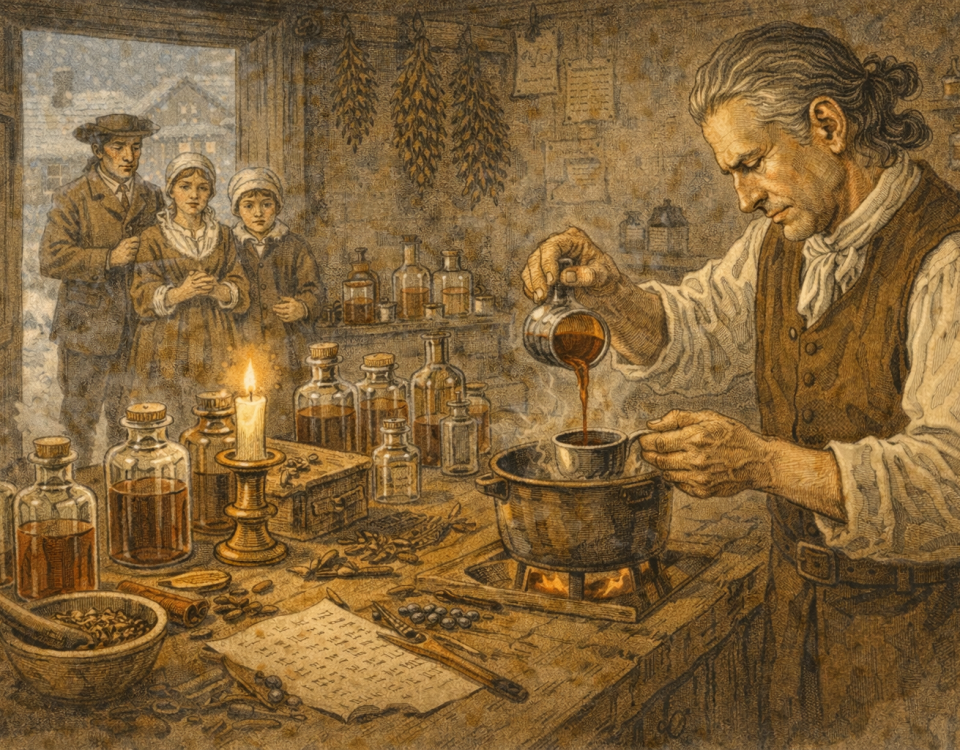
That is why many winter remedies relied on what traveled well and lasted longer—dried spices, concentrated extracts, and alcohol-based preparations. Together, these formed a practical toolkit of “spices, spirits, and survival,” combining medical tradition with colonial necessity. Visitors can explore this world more closely at the Spanish Military Hospital Museum, where the setting helps make early healthcare feel tangible and real.
Why Spices Mattered in Colonial Medicine
Today, we tend to think of spices as culinary ingredients. In the colonial era, many were also viewed as medicinal—valued for their warming qualities, their strong aromas, and their ability to hold up in storage. Spices like clove, cinnamon, and nutmeg were often associated with comfort, digestion support, and “warming” the body during cooler months.
In a medical worldview influenced by humoral theory, winter illnesses were frequently linked to cold and damp conditions. Warming ingredients made sense within that framework, especially when patients complained of weakness, chills, congestion, or aches that worsened in cool weather.
Spirits as Medicine and Preservation
Alcohol played a major role in apothecary work, not only as a remedy itself but as a tool for preservation. Alcohol-based tinctures helped extract compounds from herbs and spices and helped remedies keep longer—critical in a time when refrigeration didn’t exist and humidity challenged storage year-round.
For an apothecary, spirits were often a practical solution: they stabilized ingredients, reduced spoilage, and allowed medicines to be stored and transported more reliably than many water-based mixtures.
What a Winter Remedy Might Have Looked Like
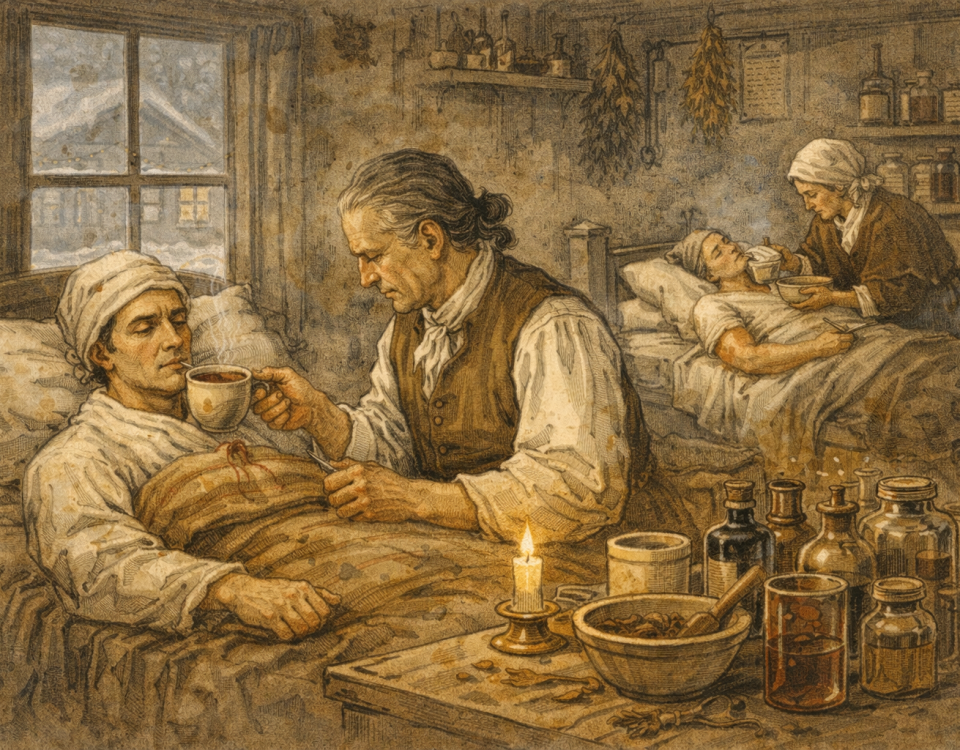
Colonial remedies varied, and results were unpredictable. Still, many preparations followed patterns apothecaries trusted. Winter mixtures might be designed to soothe coughs, calm the stomach, stimulate appetite, or help a patient rest.
Common preparation methods included:
- Tinctures made by steeping ingredients in alcohol for preservation and potency
- Syrups used to coat the throat and make medicines easier to take
- Infusions intended to warm the body or ease digestion
- Poultices applied externally for aches, inflammation, or slow-healing wounds
Even when ingredients were familiar, the apothecary’s work required careful judgment—balancing belief, experience, and the realities of what was available on hand.
St. Augustine’s Trade Connections Shaped What Was Possible
St. Augustine’s medical shelves were influenced by shipping routes and trade networks. Spices, resins, and preserved ingredients could arrive by sea more reliably than fragile fresh goods. That made them especially valuable in winter, when apothecaries needed steady supplies for lingering seasonal illness and long-term recovery.
This is another reason St. Augustine’s story is so layered: it’s not only a local history, but a history of movement—goods arriving, shortages occurring, and communities adapting. For those exploring St. Augustine today, understanding trade and supply helps explain how everyday life—including medicine—was sustained in a colonial port city.
To explore broader background on the city’s development and colonial history, the City of St. Augustine’s history resources offer helpful context.
Seeing the “Everyday Medicine” Story Inside the Hospital
One of the most compelling things about early healthcare is how ordinary it was—measured doses, repeated routines, careful storage, and small interventions intended to keep patients stable. The Spanish Military Hospital helps visitors picture how remedies were prepared and where they were kept, and how caregivers worked through winter without modern tools.
If you’re planning time in the historic district, you can learn more about the experience on the Tours page and find helpful details on Plan Your Visit. Winter can be a rewarding time to explore St. Augustine’s historic spaces at a calmer pace.
Preservation Was Part of Healing
In colonial St. Augustine, keeping medicine available was part of keeping people alive. Spices and spirits weren’t just ingredients—they were strategies: ways to make remedies last, travel, and remain useful through uncertainty. Winter care depended as much on preparation and preservation as it did on treatment.
Explore more stories like this in The Apothecary’s Journal.