What the Apothecary Knew: Healing with Herbs Before Modern Medicine
July 26, 2025
From Ship to Shelf: How Apothecaries Supplied Medicine in Colonial St. Augustine
September 11, 2025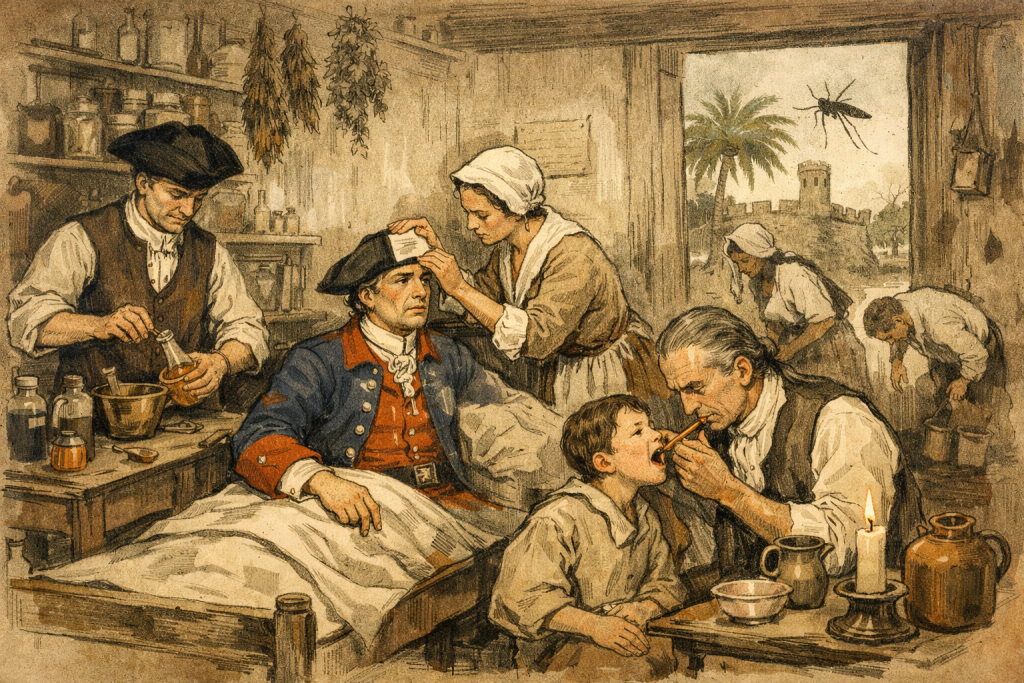
In modern St. Augustine, summer often brings images of ocean breezes, historic streets, and long daylight hours. In the colonial era, however, summer was the most dangerous season of all. Heat, humidity, insects, and limited medical understanding combined to make illness a constant threat—particularly in a fortified town where soldiers, civilians, and travelers lived in close quarters.
For the residents of Spanish St. Augustine, surviving the summer months depended on adaptation, vigilance, and the steady work of apothecaries and hospital staff who treated illness with the tools and knowledge available at the time. Today, visitors can still step into that world at the Spanish Military Hospital Museum, where interpretation and preserved spaces help bring colonial healthcare to life.
A Climate That Tested the Human Body
Florida’s summer climate posed unique challenges to early settlers. Intense heat contributed to dehydration and exhaustion, while persistent humidity slowed wound healing and encouraged infection. Standing water throughout the city created ideal conditions for mosquitoes, which spread fevers long before their role in disease transmission was understood.
While we now recognize the impact of mosquito-borne illness, colonial physicians relied on the medical frameworks available to them—often connecting disease to environmental conditions like heat and moisture. In a place like St. Augustine, maintaining health frequently meant managing exposure to the elements as much as treating symptoms once illness appeared.
Common Summer Illnesses in Colonial St. Augustine
During the warmest months, certain ailments appeared with predictable regularity. Fevers were among the most common and feared conditions, often described broadly without distinction between specific causes. Digestive illnesses such as dysentery were widespread, fueled by food spoilage and inconsistent access to clean drinking water.
Skin infections, insect bites, and heat-related fatigue affected both civilians and soldiers. In a military outpost, illness was not only a personal hardship—it posed a serious risk to the stability of the entire settlement by weakening defenses and disrupting daily labor.
The Apothecary’s Role During the Summer Months
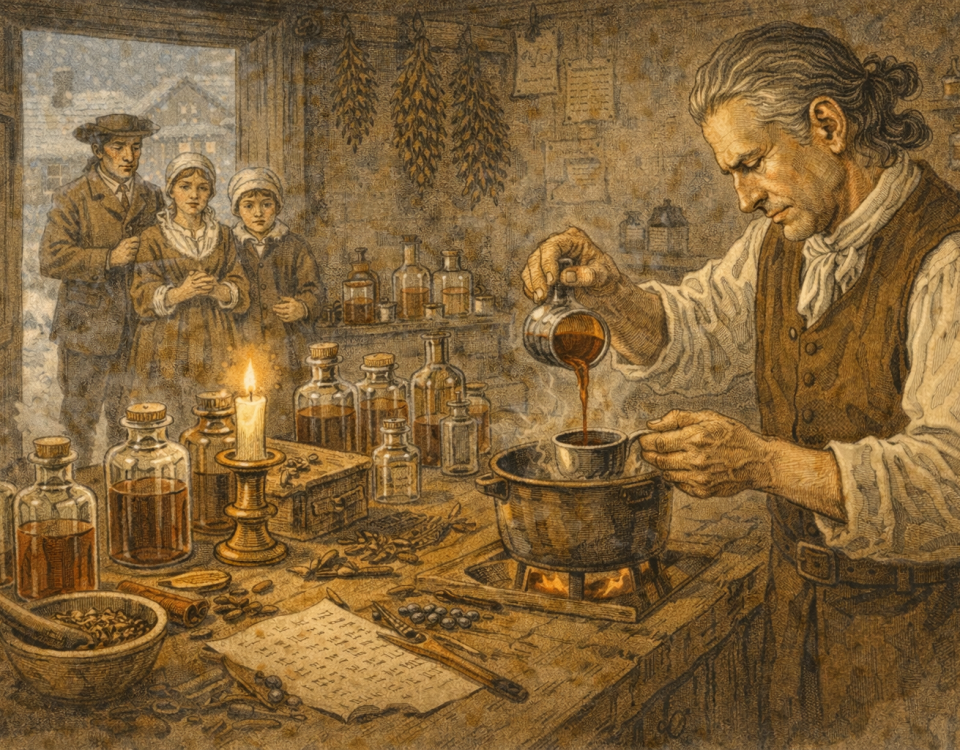
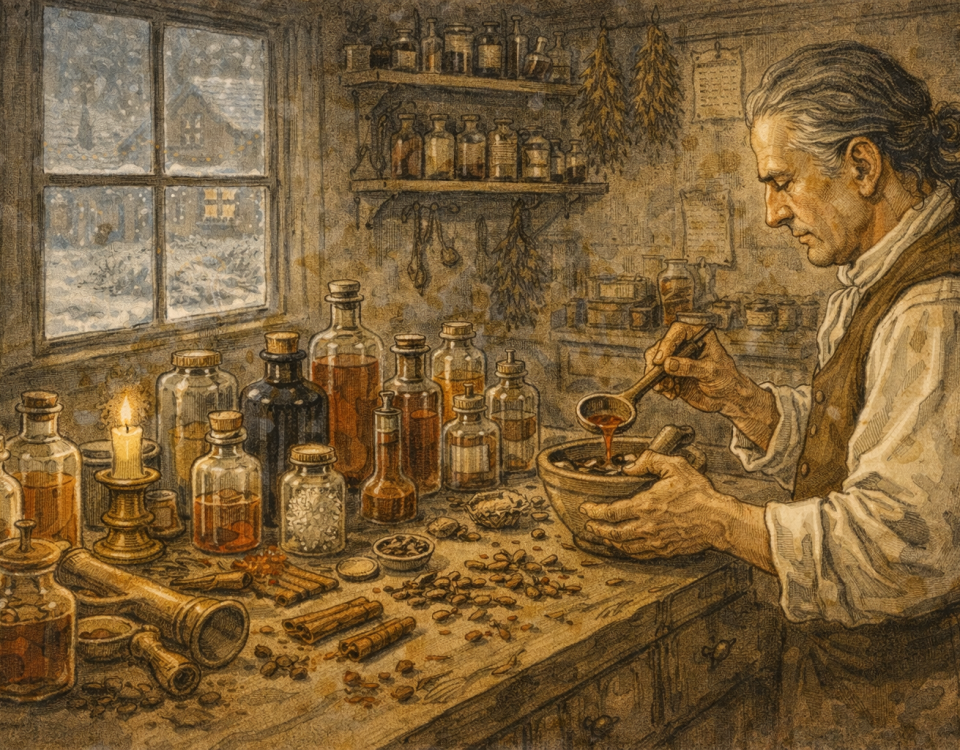
Apothecaries played a vital role in colonial St. Augustine, particularly during summer. They prepared remedies intended to cool the body, reduce fever, and prevent infection. Treatments often relied on herbal infusions, poultices, syrups, and tinctures made from a combination of imported ingredients and locally available plants.
Cooling remedies were designed to restore balance by reducing excess heat believed to cause illness. Herbal teas addressed digestive distress, while alcohol-based tinctures served both as medicine and as a preservative in a climate where spoilage was a constant concern.
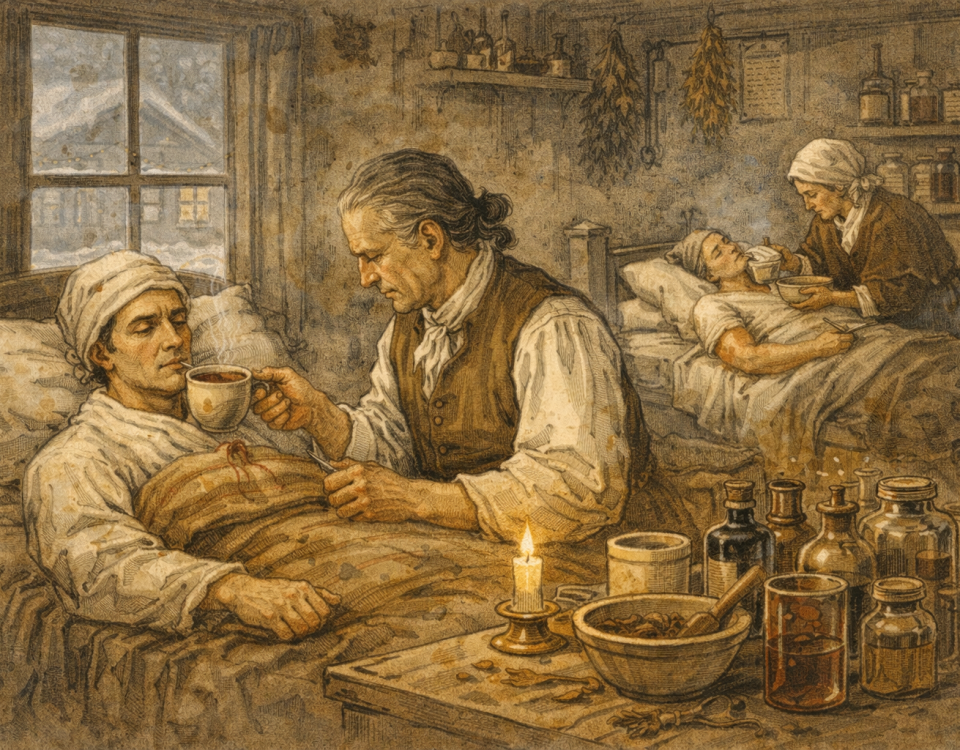
Within the hospital, attention was also given to airflow, cleanliness, and separating patients—early efforts at infection control developed through experience rather than scientific theory.
Adapting Medicine to a New World
Medical care in colonial St. Augustine evolved as practitioners adapted European traditions to Florida’s environment. Spanish medical knowledge blended with Indigenous plant use and African healing practices, creating a system shaped by observation and necessity.
Summer demanded innovation. Remedies effective in cooler climates were adjusted or replaced to better suit heat and humidity. This exchange of knowledge produced medical practices uniquely suited to life in one of the oldest European settlements in North America.
Understanding This History Today
Walking through the preserved spaces of the Spanish Military Hospital offers insight into how seasonal illness shaped daily life. The layout of treatment rooms, the tools of the apothecary, and the structure of patient care reflect the urgency of healing during the most perilous months of the year.
For those exploring St. Augustine, the hospital provides essential context beyond forts and government buildings. It reveals the human realities of illness, recovery, and survival that defined life in the city—and makes the history of medicine feel immediate and personal.
If you’re planning time in the historic district, you can learn more about what the experience includes on the Tours page, and find helpful details (including location and parking guidance) on Plan Your Visit.
A Season That Defined Survival
Summer was more than a season in colonial St. Augustine—it was a test of endurance. The illnesses it brought influenced medical practices, daily routines, and the importance of institutions dedicated to care. Through preservation and interpretation, this history continues to offer valuable insight into the challenges faced by those who lived and worked in the city centuries ago.
Explore more stories like this in The Apothecary’s Journal.