
Recovery Foods in the Spanish Military Hospital
In the Spanish Military Hospital, certain foods were used to support patients who were weak, recovering, or under the direction of a physician or head surgeon. These foods were often soft, simple, and carefully measured.
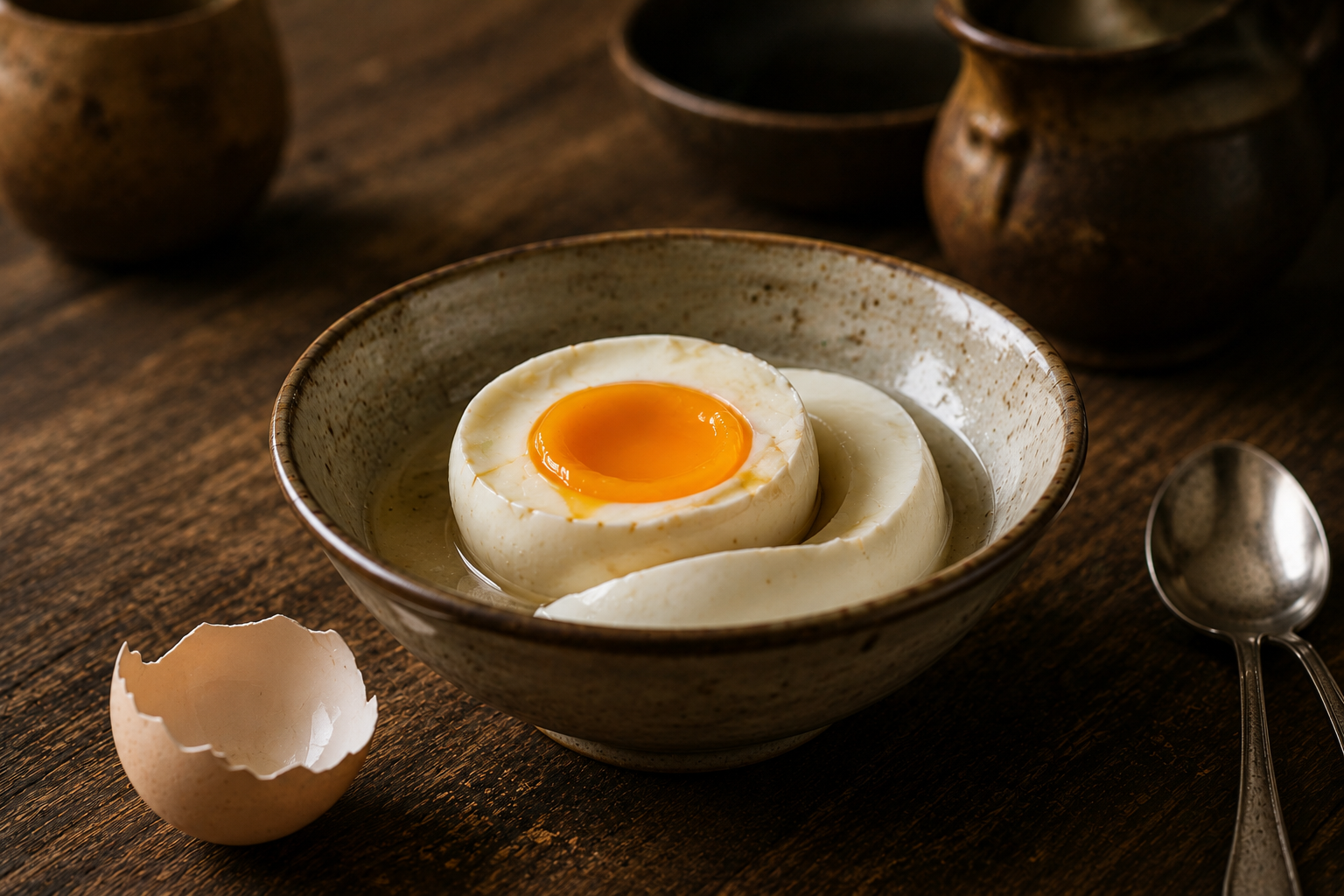
Recovery foods could include broth, milk, gruel, bread, eggs, and other gentle foods that were easier for patients to consume during illness or after treatment.
Food for Strength and Comfort
Hospital diets were not one-size-fits-all. Some patients received lighter foods or specially prepared rations depending on their condition, their strength, and the instructions of the medical staff.
Broth After Treatment
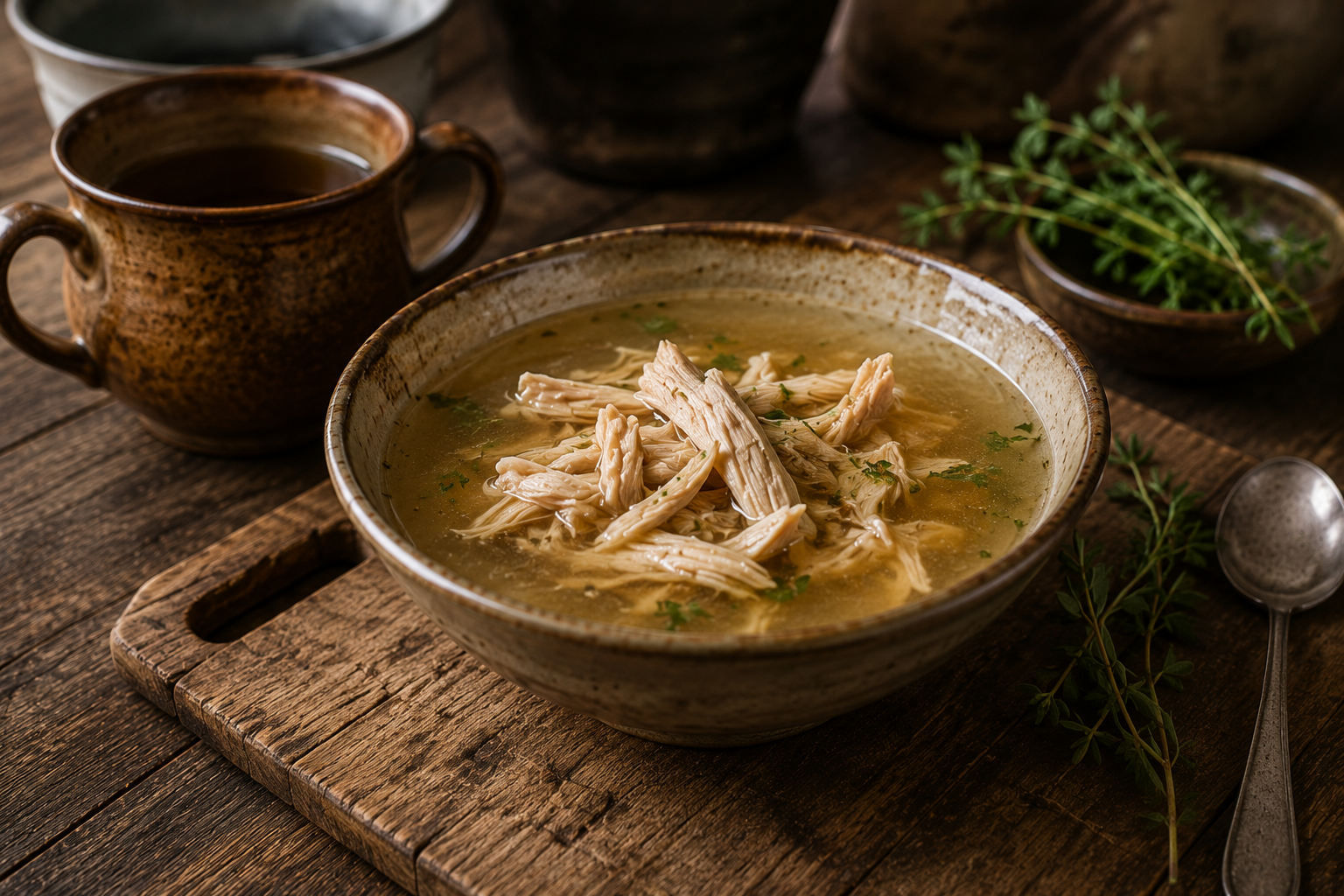
Patients who had been given a physic were not served a regular breakfast. Instead, they received a cup of broth two hours after taking the treatment, along with a ration or half ration of hen as ordered by the physician or head surgeon.
Milk Ration
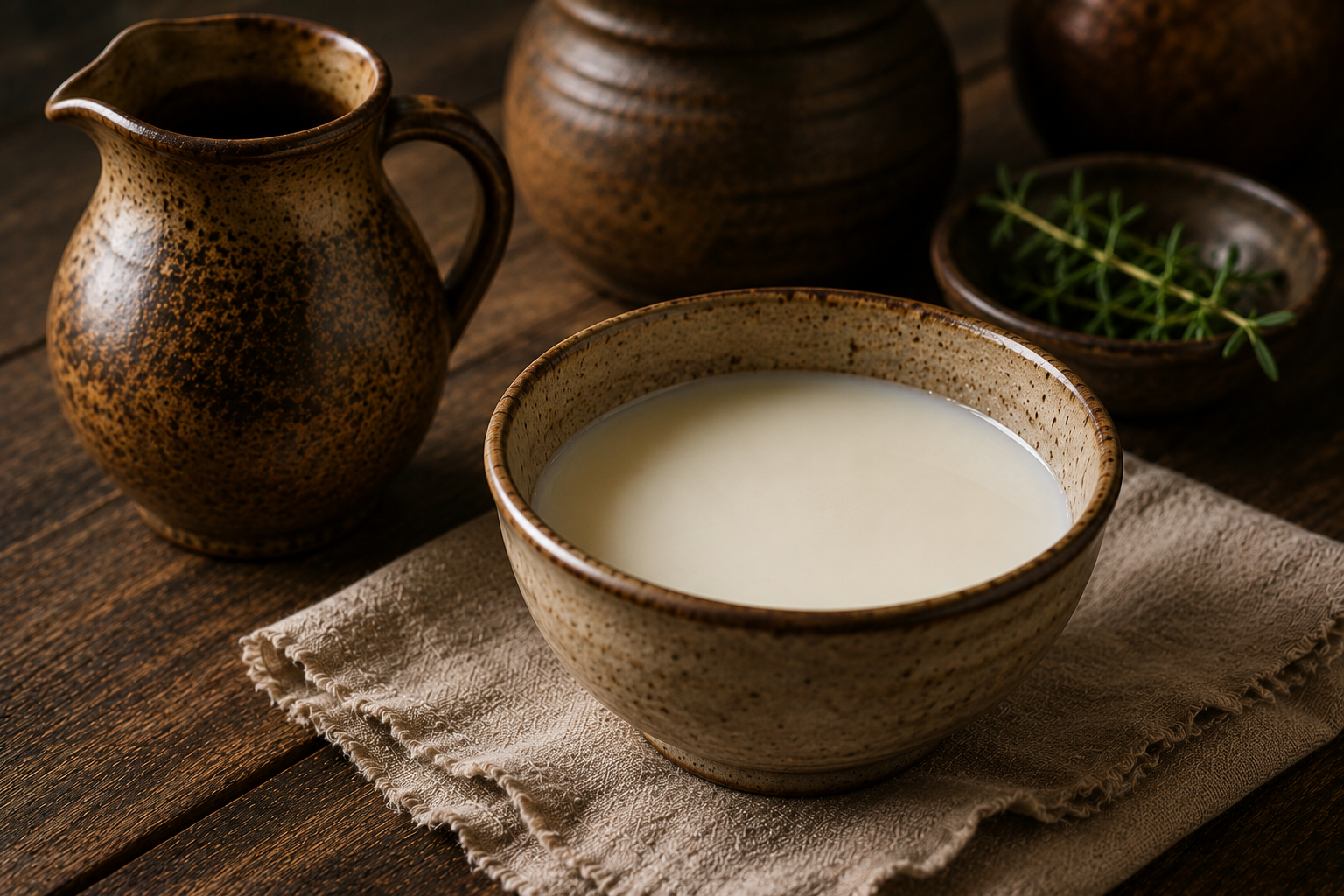
The Milk Ration could be served plain or double, depending on the amount prescribed. The regulations also note that physicians could adjust what was advisable for patients whose mouths became irritated during certain treatments.
Wheat Flour Gruel
Wheat flour gruel was prepared with flour, lard, and sugar. It was divided into portions for breakfast, dinner, and supper, creating a soft food that could be served throughout the day.
Rice Flour Gruel
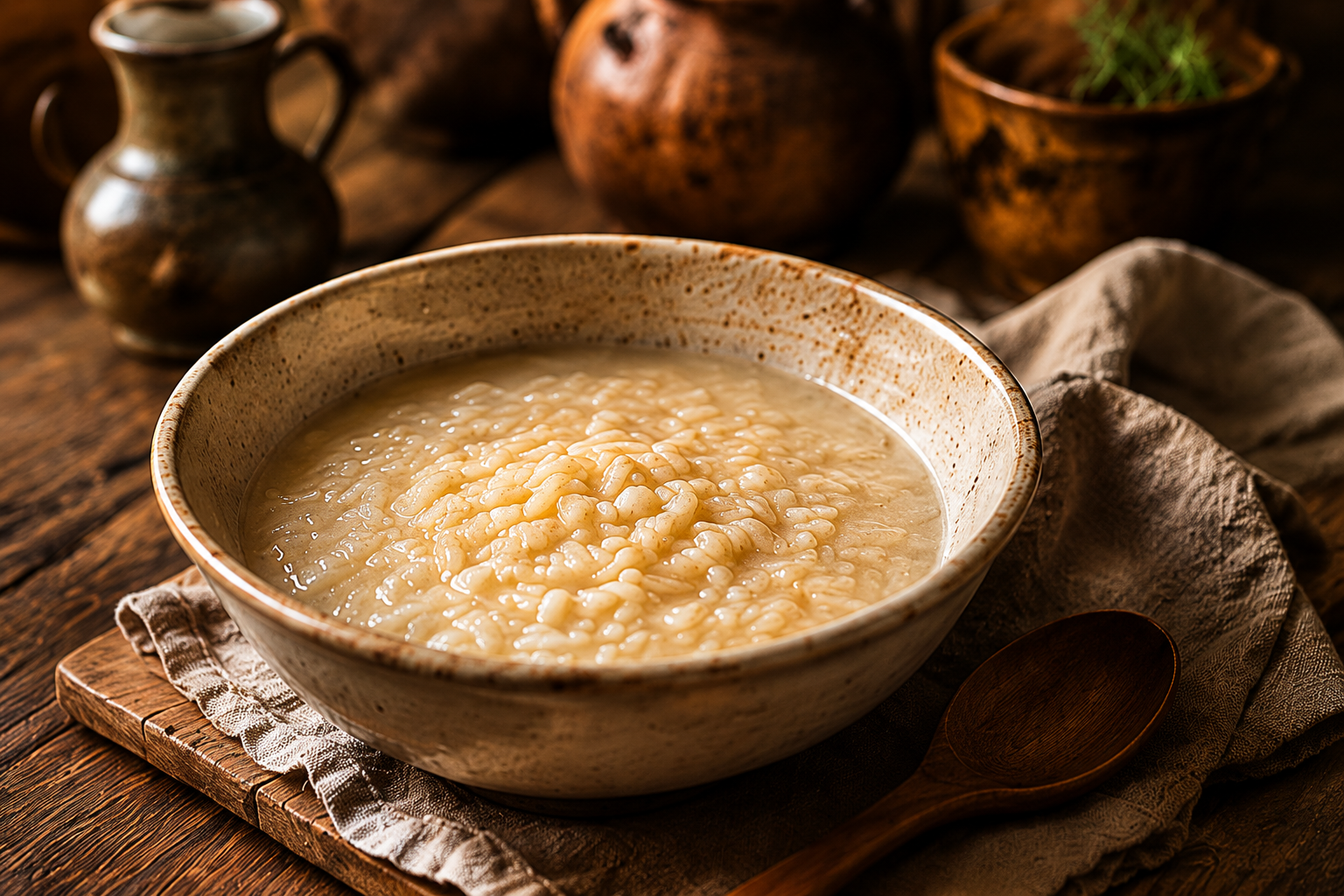
Rice flour gruel was especially noted for patients being treated with mercury. The regulations describe it as soft, cooling, and nourishing, making it suitable for patients whose mouths were sensitive or whose condition required gentler food.
Chocolate Ration
The Chocolate Ration included chocolate with bread or sponge cake, depending on what the physician or head surgeon ordered. It was served for breakfast, and patients receiving this ration were not served another breakfast item.
Toast for Breakfast
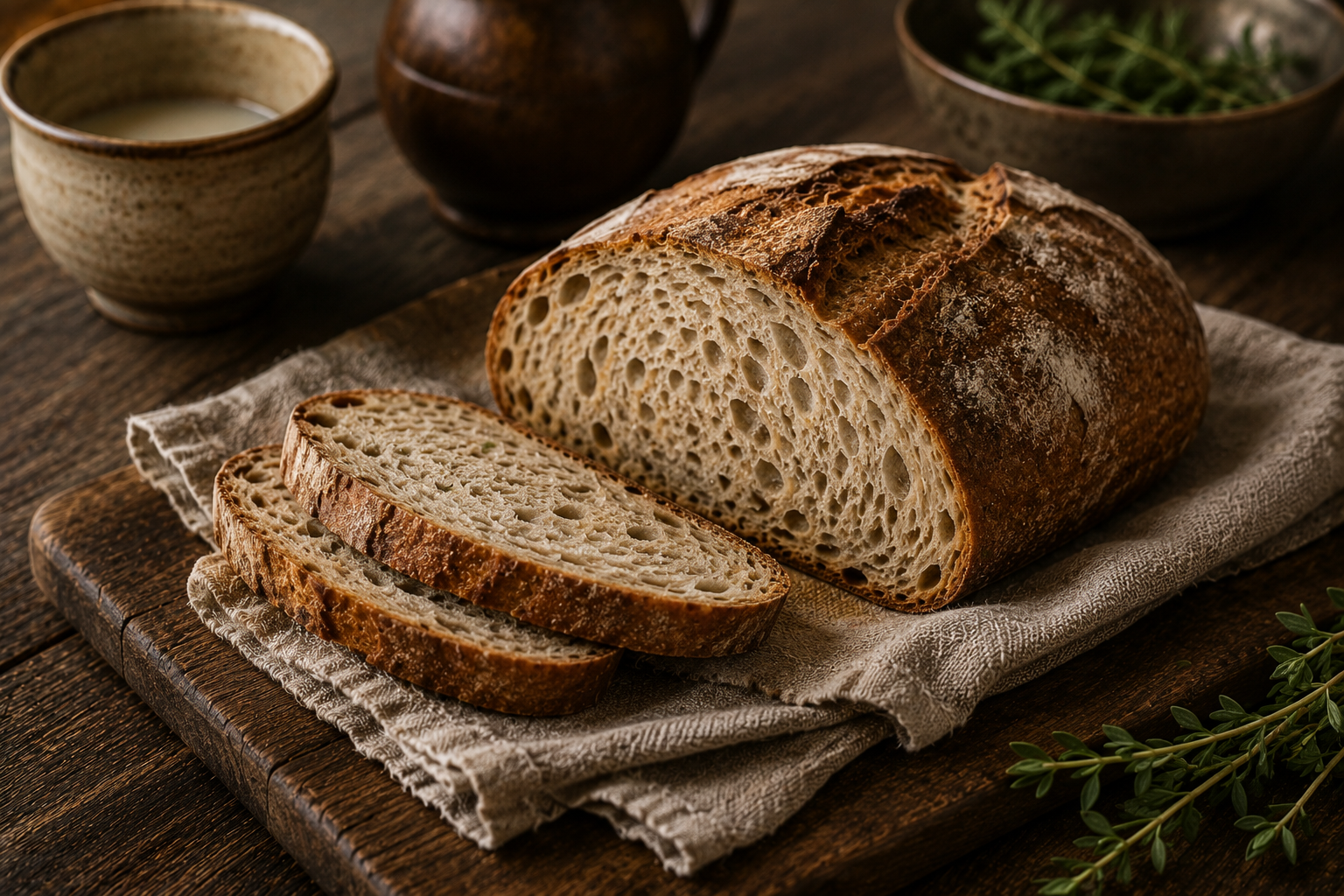
Toast for Breakfast included bread, wine, sugar, and cinnamon. Like other special recovery foods, it replaced the regular breakfast when ordered for the patient.
Reparo Para el Estómago
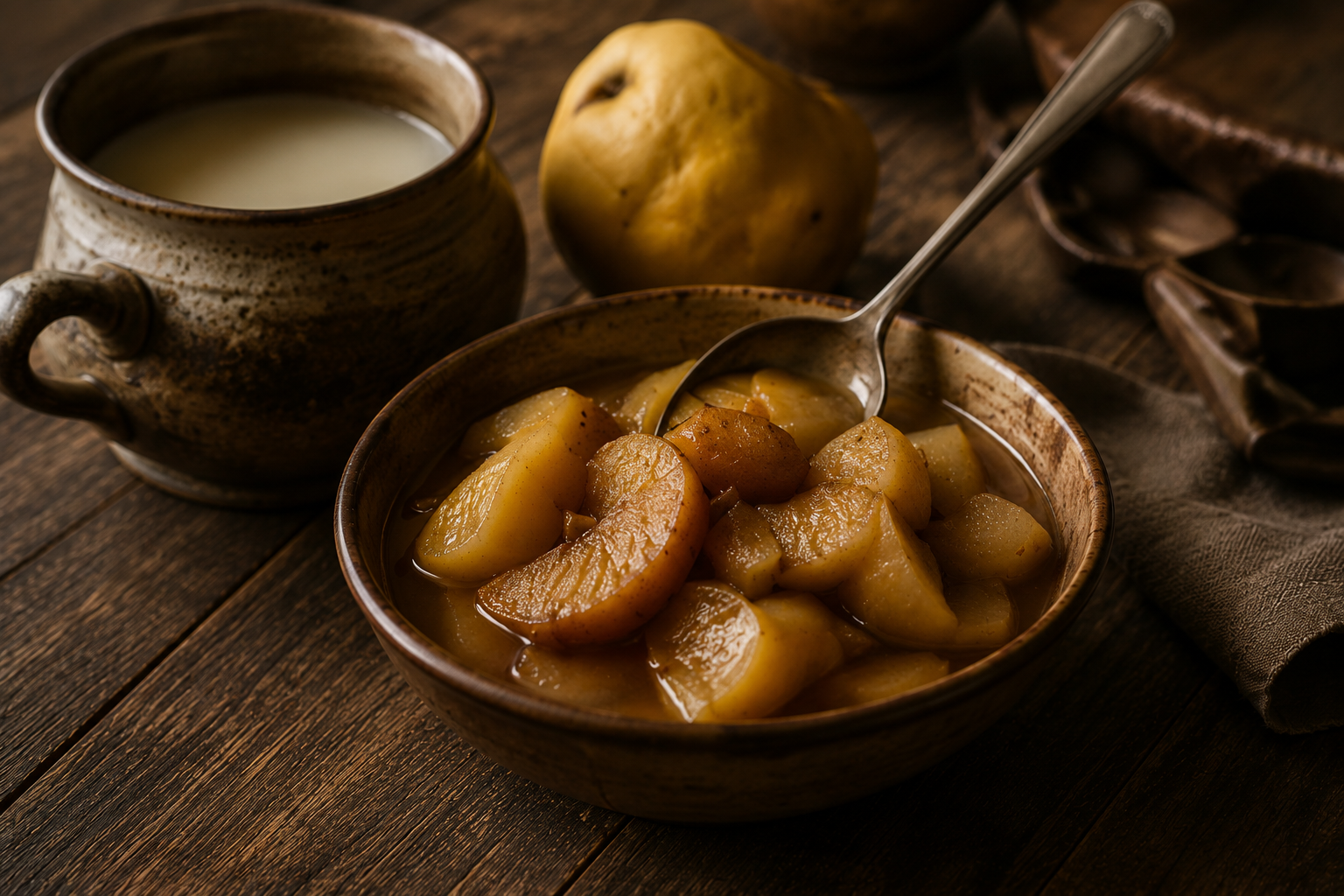
The Reparo Para el Estómago, or “for the stomach,” was made with bread, wine, and cinnamon. This simple ration shows how certain foods and drinks were connected to comfort and digestion.
Physician-Directed Foods
The hospital regulations allowed physicians and surgeons to vary a patient’s food whenever necessary. This meant recovery foods could be adjusted based on urgency, comfort, and the patient’s condition.
Historical Note
Recovery foods reveal how closely diet and medical treatment were connected. Meals were measured, softened, restricted, or adjusted to help patients regain strength while remaining under the care of hospital physicians and surgeons.
Continue Exploring Hospital Diets
Learn more about the different foods and rations used in colonial hospital care.
Experience Colonial Medicine in St. Augustine
Visit the Spanish Military Hospital Museum to learn more about 18th-century medical practices, apothecary traditions, and daily hospital life in Spanish Colonial Florida.