
Specialty Foods & Comfort Rations in the Spanish Military Hospital
Not every patient in the Spanish Military Hospital received the same meals. Certain foods and drinks were reserved for patients who required additional comfort, lighter nourishment, or physician-directed treatment.
These specialty foods included chocolate, toast with wine and cinnamon, carefully measured wine rations, sponge cake, and other simple preparations intended to strengthen or comfort recovering patients.
Comfort and Care
Specialty foods reveal another side of colonial hospital life. While hospital diets were highly structured, physicians and surgeons could authorize special foods and drinks when patients required additional nourishment or comfort.
Chocolate Ration
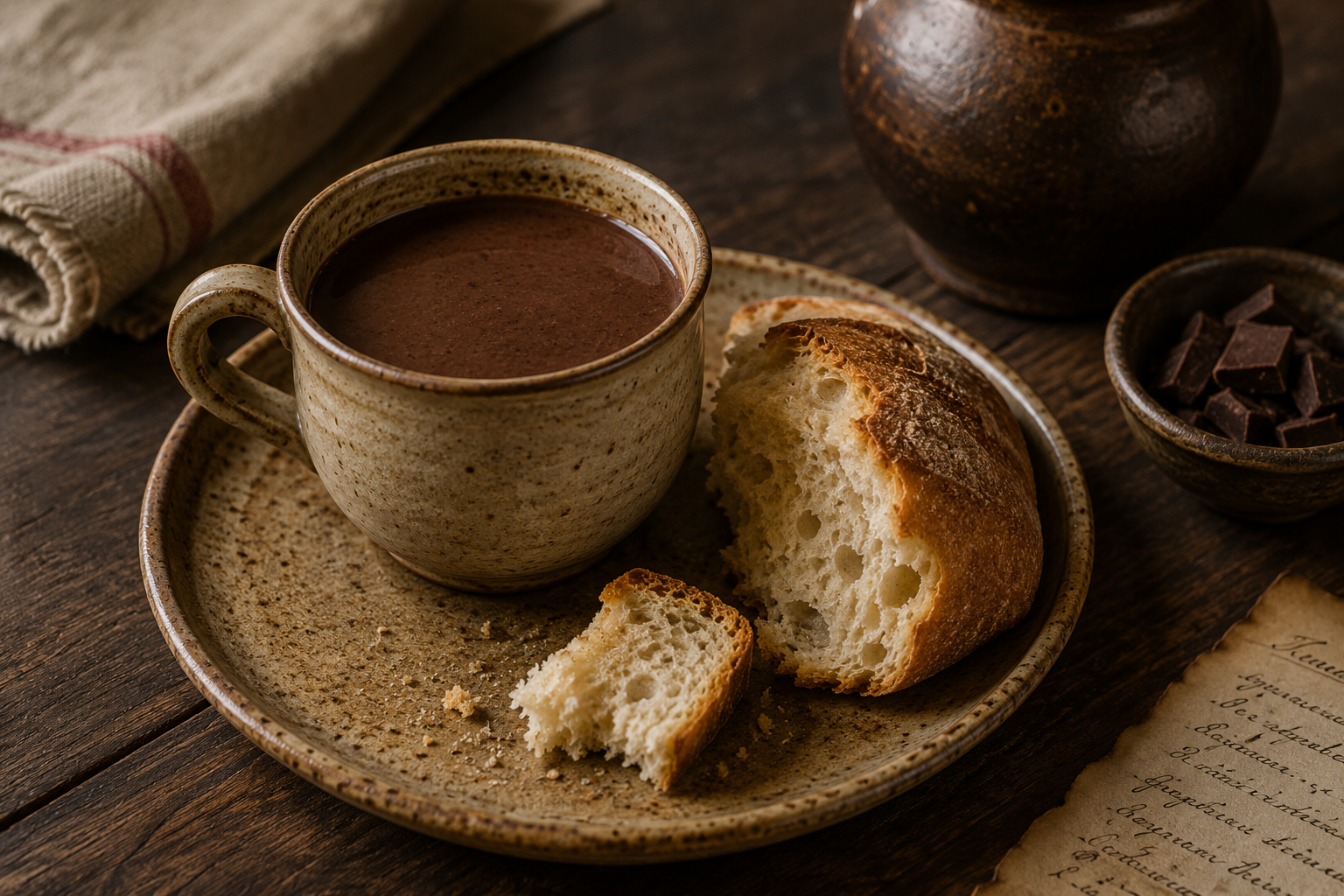
The Chocolate Ration included chocolate with bread or sponge cake, depending on what the physician or head surgeon ordered. It was served for breakfast, and patients receiving this ration were not served another breakfast item.
Toast for Breakfast
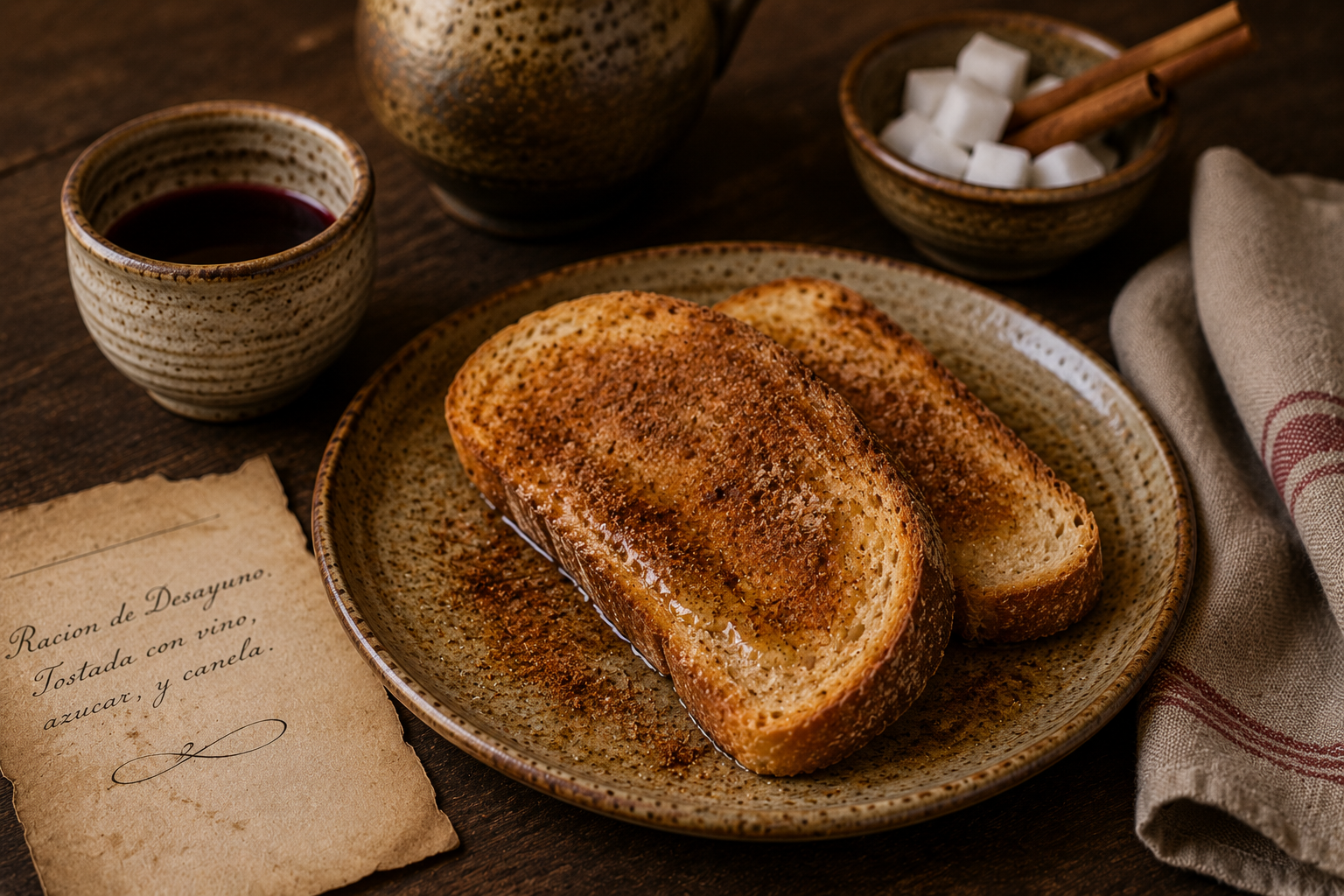
The Toast for Breakfast ration included bread, wine, sugar, and cinnamon. Like other specialty recovery foods, it replaced the regular breakfast when ordered for the patient.
Wine Ration
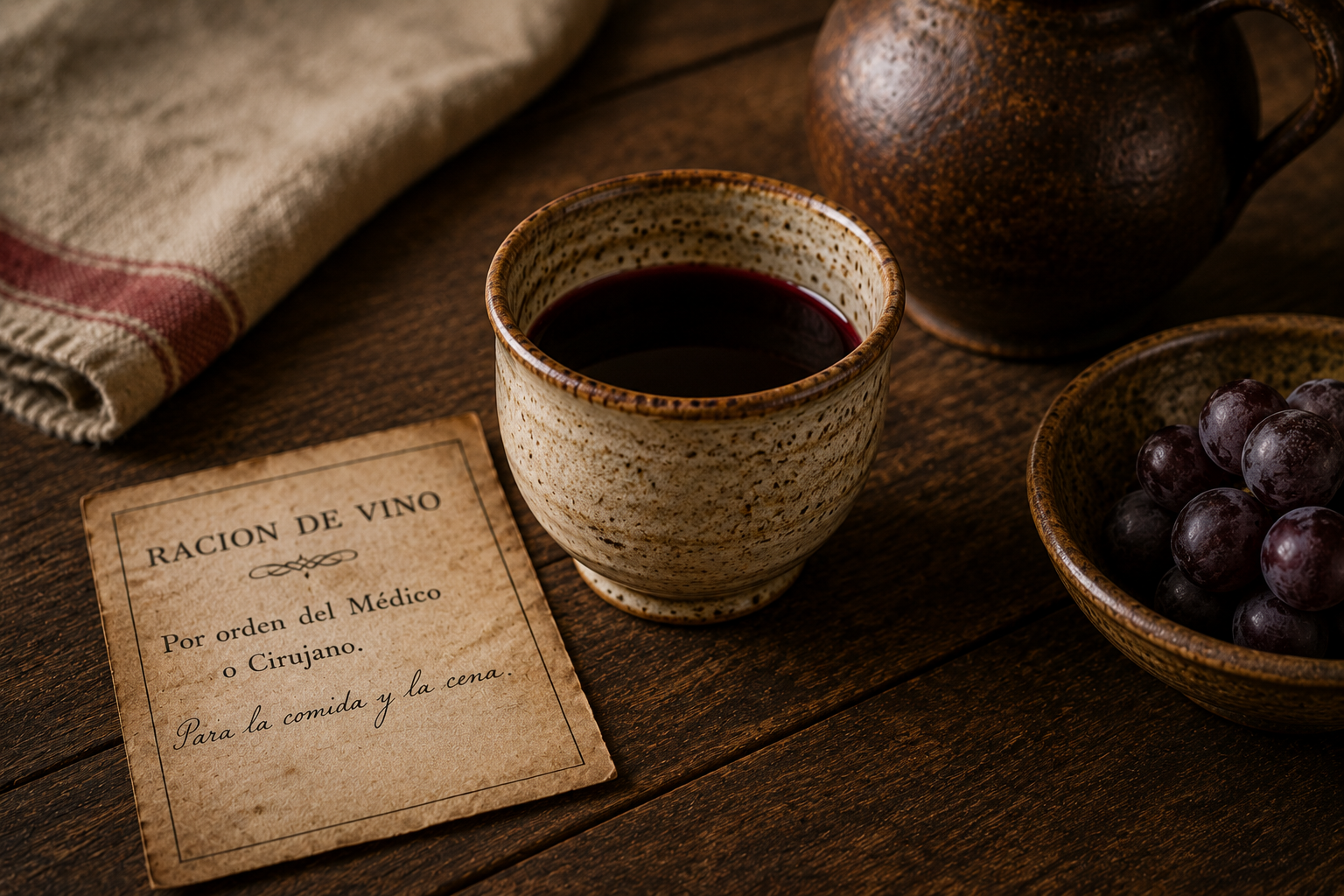
The Wine Ration was carefully controlled and could only be served with an express order from the physician or head surgeon. Portions were divided between dinner and supper.
Half Ration of Wine
The Half Ration of Wine reduced the amount to six ounces, divided between dinner and supper. These smaller portions were also served only under physician approval.
Panetela (Sponge Cake)
The hospital regulations mention sponge cake, also known as panetela, as part of certain diet rations. Soft breads and cakes could be paired with chocolate or nutriment for recovering patients.
Reparo Para el Estómago
The Reparo Para el Estómago, or “for the stomach,” was made with bread, wine, and cinnamon. This preparation reflects how food and drink were connected to comfort and digestion.
Historical Note
Specialty foods and comfort rations demonstrate how carefully food was managed inside the Spanish Military Hospital. Meals could be adjusted, softened, sweetened, or supplemented to provide comfort while patients remained under medical supervision.
Continue Exploring Hospital Diets
Learn more about the foods and medical diets used in colonial hospital care.
Experience Colonial Medicine in St. Augustine
Visit the Spanish Military Hospital Museum to learn more about 18th-century medical practices, apothecary traditions, and daily hospital life in Spanish Colonial Florida.